


This post was updated October 3, 2026 by Lisa.

Terra cotta can give a catio warm color, useful planting space, and the sort of rustic charm that says “tiny Tuscan villa,” even if your cat is mostly there to judge squirrels. The trick is placing every pot, saucer, and ornament where it cannot tip, crack, trap water, or become an unauthorized snack station.
Use secure wall-mounted planters or keep heavy breakable pots outside the enclosure whenever possible. A lovely pot is not lovely when it becomes a floor puzzle at 3 a.m.
Is Terra Cotta Safe for a Catio?
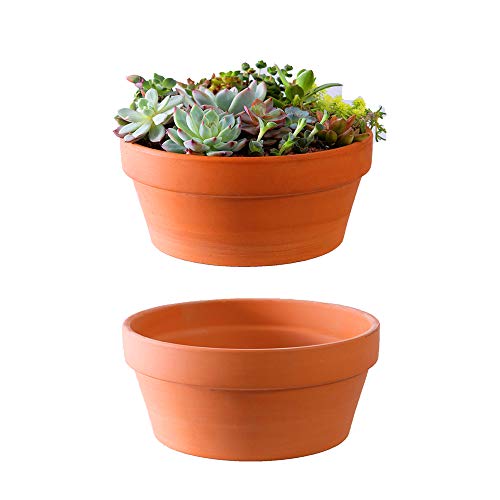
Terra cotta is generally suitable for a catio when each piece is intact, stable, free of sharp glaze chips, and paired with a cat-safe plant. Unglazed clay is porous and useful for many plants, but a determined cat can still tip a pot or investigate the drainage hole with surprising dedication.
Avoid cracked containers, loose decorative shards, peeling finishes, and unknown vintage glazes. Place pots beyond jumping and swatting paths, or anchor them to a purpose-built shelf that can support the wet weight of the container, soil, and plant.

Which Terra Cotta Ideas Work Best in a Catio?
The best ideas add function without crowding your cat’s routes, perches, or resting zones. Use this quick comparison to choose pieces that fit your space and your resident quality-control manager.
| Terra cotta idea | Best location | Main benefit | Safety check |
|---|---|---|---|
| Wall-mounted pots | Outside mesh or on a reinforced wall | Color without using floor space | Use rated brackets and secondary restraint |
| Low herb planter | Stable floor corner | Cat-safe sensory enrichment | Confirm every plant is non-toxic |
| Pot saucers | Under secure containers | Controls drips and soil | Empty standing water promptly |
| Self-watering spikes | Deep, stable pots | Slower, steadier watering | Keep fragile points out of reach |
| Decorative accents | Exterior of enclosure | Adds a coordinated look | Secure against wind and impact |
Before decorating, map the cat’s walking, climbing, and landing paths. Our guide to making a catio beautiful and useful can help you balance style with the space your cat actually needs.

How Can You Build a Secure Terra Cotta Planter Wall?
Build a secure planter wall by mounting it to structural framing, using hardware rated for the full wet load, and adding a secondary restraint around each pot. The safest arrangement usually sits outside the mesh, where cats can enjoy greenery without climbing the pots like a ceramic staircase.
A wall planter system, hanging planter, or pot-latch hanger can save floor space. Follow the hardware maker’s instructions and attach only to framing that can carry the load.
Which Plants Belong in Terra Cotta Catio Pots?
Only plants confirmed as non-toxic to cats belong within reach of a catio resident. Cat grass, catnip, Boston fern, and some culinary herbs can be options, but identify the exact species before planting because common names are unreliable.
Check every choice against the ASPCA’s searchable cat plant list, then review our detailed guide to choosing plants for a catio. Also avoid cocoa mulch, fertilizer pellets, systemic pesticides, and decorative stones small enough to swallow.
Choose a pot with enough depth for the mature roots and a drainage hole that stays clear. A simple terra cotta pot is easier to inspect than a heavily glazed container with mystery cracks.
How Do You Stop Terra Cotta Pots From Tipping?
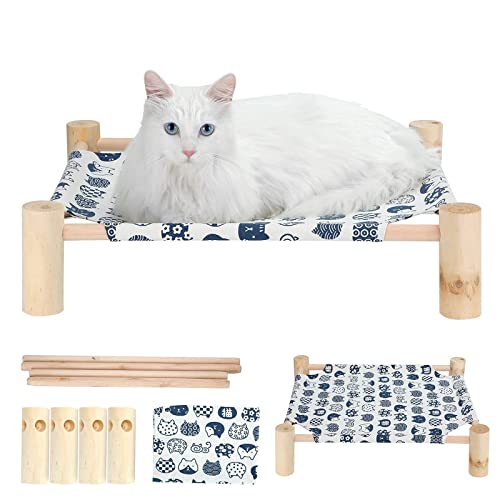
Stop pots from tipping by lowering their center of gravity, placing them against a protected corner, and securing them to a shelf or wall with rated hardware. A wide, heavy base is better than a tall narrow pot, but weight alone is not a safety system.
- Keep breakable containers outside the mesh when possible.
- Use a shelf lip or pot ring sized to the container.
- Add a concealed safety strap around the upper third of the pot.
- Check anchors after storms, watering, and freeze-thaw weather.
- Never place a pot above a sleeping shelf or landing zone.
Do Terra Cotta Saucers Help With Drainage?
Terra cotta saucers catch drips, but they do not improve drainage unless excess water can leave the pot first. Empty the saucer after watering so it does not keep roots soggy, attract insects, or become a tiny mosquito spa.
Use properly sized saucers on a stable surface, and consider pot feet to lift drainage holes above trapped water. Wipe muddy residue before it reaches paw level.

Do Terra Cotta Self-Watering Spikes Work?
Terra cotta self-watering spikes can release water gradually as the surrounding soil dries, but their rate varies with soil, heat, pot size, and the porosity of the spike. Test each setup for several days before relying on it during travel or hot weather.
Insert the spike deeply enough to stay stable, keep brittle points away from paws, and refill only with clean water. Cute animal-shaped watering spikes still need the same safety check as plain ones; whimsy does not exempt anyone from physics.


How Can Terra Cotta Match the Rest of the Catio?
Terra cotta pairs naturally with wood, black metal, cream fabric, sage green, and warm outdoor lighting. Repeat the clay color in two or three places, then stop before the catio starts resembling a garden-center checkout lane.
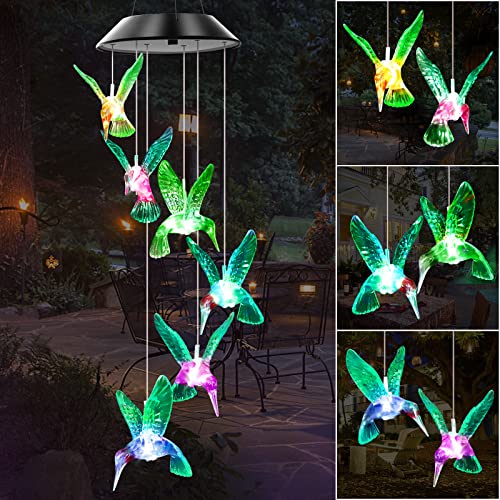
You can echo the palette with Southwestern-pattern accents, animal-shaped solar lights, or metal feather wall accents. Mount decorations outside the mesh and secure anything that could swing, rattle, fall, or heat up in direct sun.
How Does Weather Affect Terra Cotta Outdoors?
Terra cotta absorbs moisture, so repeated freezing and thawing can crack or flake an unprotected pot. Move vulnerable pieces to a dry, frost-free location before hard freezes, or use containers specifically rated for year-round outdoor exposure.
In hot weather, porous clay can dry soil faster than plastic or glazed ceramic. Check moisture with a finger rather than a fixed calendar, provide shade appropriate to the plant, and keep wet saucers off wood surfaces that could stain or rot.
How Do You Clean Terra Cotta Around Cats?
Clean terra cotta by removing soil, brushing away dry residue, washing with mild soap and water, and rinsing thoroughly. Let each piece dry completely before returning it to the catio.
Replace a pot that develops sharp cracks, unstable repairs, persistent mold, or a crumbling rim. Skip strongly scented cleaners and never mix cleaning products; your cat did not request an alchemy demonstration.

When Should You Ask a Catio Builder for Help?
Ask a builder for help when a planter wall, shelf, shade structure, or hanging feature adds significant weight to the enclosure. A professional can check framing, wind exposure, attachment points, drainage, and safe access for future maintenance.
If your project needs more than a decorative refresh, use Find My Catio to locate a specialist. Bring the pot dimensions and wet weights to the conversation so the design supports the real load, not the optimistic version.
What Is the Bottom Line on Terra Cotta for Catios?
Terra cotta works beautifully in a catio when containers are stable, plants are verified cat-safe, drainage is managed, and weather limits are respected. Secure heavy pieces outside jumping paths, inspect them often, and choose function before decoration.
A few thoughtful clay accents can make the space feel polished without stealing room from perches, naps, and surveillance duties. Your cat may ignore the styling completely, which is how you will know the design has achieved authentic feline approval.
Save this guide to Pinterest
Choose your favorite design.




