


This post was updated October 3, 2026 by Lisa.
Should a catio have a litter box? Usually yes—if the enclosure is roomy, used for long sessions, or does not offer easy indoor access—but the box should never crowd out your cat’s resting and play space. Think of it as a useful outdoor bathroom, not the centerpiece of the décor; your cat may disagree, because cats respect no interior designer.

Affiliate disclosure: This article contains affiliate links. If you buy through one, Kritter Kommunity may earn a commission at no extra cost to you.
Should a Catio Have a Litter Box?
A catio should have a litter box when cats spend extended time there, cannot return indoors freely, or clearly prefer eliminating outside. The box must be dry, easy to reach, separated from food and water, and placed where it does not block movement or escape routes.
A small window box used for ten supervised minutes may not need one. A walk-in catio used for hours almost certainly benefits from a toilet option, especially for kittens, seniors, and cats with medical or mobility needs.

When Can You Skip the Outdoor Litter Box?
You can skip an outdoor box when the catio is small, sessions are brief, and your cat always has immediate access to a clean indoor box. The indoor route must stay open and dependable; a closed pet door turns a reasonable plan into a very awkward hostage situation.
Watch behavior rather than relying only on the clock. Repeated pacing, scratching at doors, squatting, vocalizing, or rushing indoors may mean the current arrangement is not meeting your cat’s needs.

Where Should the Litter Box Go in a Catio?
Place the litter box on a level, dry, shaded surface away from food, water, beds, and busy doorways. Give the cat a clear view and more than one way to leave the area so another cat cannot guard the exit.
Keep enough open floor space for your cat to stand, turn, stretch, and pass the box comfortably. A washable mat can catch tracked litter, but avoid loose fabric that stays damp or traps odor.

| Situation | Best setup | Main reason | Avoid |
|---|---|---|---|
| Small window catio | Indoor box with open return | Preserves limited floor space | Blocking the entrance |
| Walk-in catio | Large box in a dry corner | Supports longer visits | Food or water beside it |
| Multiple cats | Separated box choices | Reduces guarding and conflict | Boxes lined up as one station |
| Senior or mobility-limited cat | Low-entry box near access | Easier, faster use | Tall walls or steep steps |
| Rainy or windy climate | Roofed, splash-protected zone | Keeps litter usable | Sealed space with poor airflow |
Should an Outdoor Litter Box Be Covered?
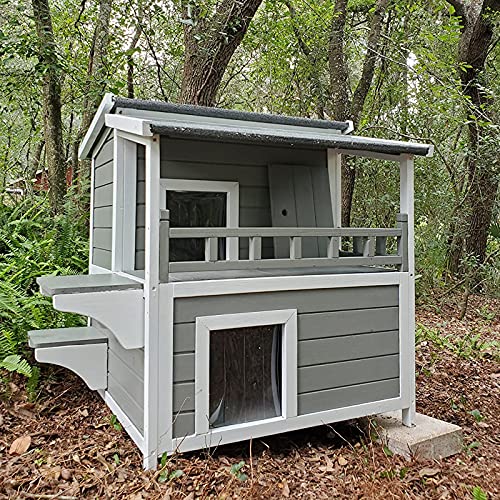
The litter area needs overhead weather protection, but the box itself does not have to be hooded if your cat dislikes covers. A catio roof, awning, or ventilated shelter can block rain and wind while preserving visibility and airflow.
Covered boxes may contain litter scatter, yet some cats avoid them because they trap odor or feel easy to ambush. Offer the style your cat already uses successfully, then protect the surrounding area from weather.

Existing affiliate options also include this hooded litter box and this weather-resistant cover option. Check current dimensions and product instructions before deciding whether either fits the enclosure.
How Many Litter Boxes Does a Multi-Cat Catio Need?
A multi-cat home needs enough litter-box choices that one cat cannot control all access, but every box does not have to sit in the catio. Count the clean, accessible boxes across the whole home and place them in separate locations rather than clustering them like restroom stalls.
Many behavior professionals recommend one box per cat plus one extra as a starting point, adjusted for the cats, layout, and cleaning routine. If only one box fits outdoors, make sure additional indoor boxes remain easy to reach.
Which Box and Litter Work Best Outside?
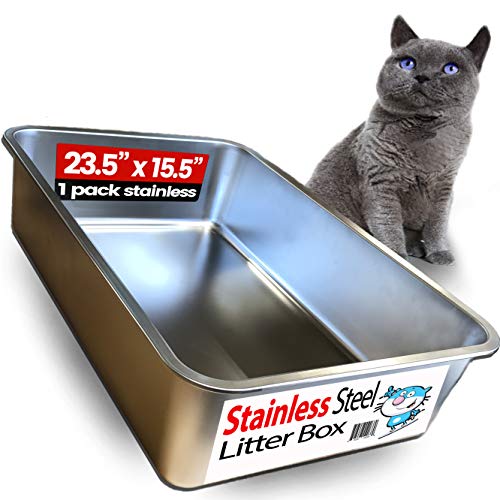
A large, sturdy, easy-to-clean box with an entry suited to your cat works best in a protected catio.
Use the same unscented litter your cat already accepts unless a veterinarian recommends a change. Sudden texture or scent changes can turn the new outdoor restroom into a beautifully ignored sandbox.


How Do You Control Odor, Moisture, and Mess?
Scoop at least daily, remove wet litter promptly, wash the box on a regular schedule, and replace damaged containers. Good ventilation and dryness control odor better than heavy fragrance, which may discourage use and merely gives the problem a floral hat.
Store clean litter in a sealed, weatherproof container and never let waste accumulate where flies or wildlife can reach it. After storms, check for splash, blown debris, standing water, and damp litter even when the box appears covered.

What Else Should Go in the Catio?
A useful catio also needs shade, fresh water, secure perches, a scratching surface, a dry resting spot, and an uncomplicated route indoors. Keep bowls away from the litter area and inspect every item for heat, moisture, chewing damage, and unstable hardware.
This guide to what to put in a catio helps prioritize enrichment without overcrowding the enclosure. For households with canine sanitation inspectors, these ideas for keeping dogs out of the catio can protect the box and your cat’s privacy.


An additional existing affiliate option is this stainless-steel pet fountain. Any powered outdoor accessory should be weather-rated, safely connected, shaded, and maintained exactly as directed.
When Does Litter-Box Behavior Need Veterinary Attention?
Contact a veterinarian promptly when a cat strains, cries, urinates only tiny amounts, produces blood, stops using familiar boxes, or changes elimination habits suddenly. Straining with little or no urine can be an emergency, especially in male cats.
Do not assume an accident is revenge or a catio preference problem. The Ohio State Indoor Pet Initiative litter-box guidance explains setup factors, while a veterinarian can rule out pain or illness.
How Do You Choose the Right Catio Setup?
Start with the enclosure’s size, how long your cat stays outside, whether indoor access remains open, and the box style your cat already trusts. Add a litter box only when it fits without sacrificing safe movement, rest, water placement, or a clear return route.
If you are still choosing the enclosure itself, find your catio here and match the layout to your space, climate, and cat’s habits.
Why Is Kritter Kommunity Your Trusted Pet Partner?
Lisa Illman is the founder of Kritter Kommunity, LLC, and has hands-on experience designing, testing, and selling portable outdoor cat enclosures. Her cats—including two FIV-positive companions and her
Lisa and Finnegan research pet products with a simple standard: advice should make life safer, clearer, and more enjoyable for cats and their people. Finnegan remains in charge of box inspections, although his written reports are mostly paw prints.
Save this guide to Pinterest
Choose your favorite design.




