

Updated on October 17th, 2026 by Lisa
Maine Coon care comes down to six basics: a complete and
This guide covers feeding, grooming, exercise, furniture, and health screening, with a quick care table you can save. Because Maine Coons are large and long-haired, a few extra steps make a big difference.
This post contains affiliate links. If you buy through them, Kritter Kommunity may earn a small commission at no extra cost to you.

What Does a Maine Coon Need Every Day?
A Maine Coon needs good food, fresh water, play, a clean litter box, and affection every day. They are social and loyal, so time with you matters as much as the basics. Use this table as a quick care checklist.
| Care Area | How Often | Quick Tip |
|---|---|---|
| Feeding | Measured meals daily | Choose complete and balanced food and watch portions |
| Fresh water | Always available | Use wide, stable bowls or a fountain |
| Play and exercise | Daily, in short sessions | Wand toys, climbing, and puzzle feeders |
| Brushing | 2 to 3 times a week | Daily during heavy shedding |
| Litter box | Scoop daily | Use a large, roomy box |
| Vet checkups | At least yearly | Ask about heart and hip screening |
| Dental care | Ongoing | Ask your vet about brushing and exams |
What Should You Feed a Maine Coon?
Feed a high-quality diet that is complete and balanced for your cat’s life stage. Kittens need food made for growth, adults need measured portions, and seniors may need changes. nutritious meals containing the essential elements are the goal, so measure meals and avoid overfeeding.
As VCA Animal Hospital advises, you generally should not add vitamins, minerals, or other supplements to a complete diet unless your vet recommends it. Because big cats can gain weight easily, see our guide on the average weight of a Maine Coon.
Provide fresh water at all times. Wide, stainless-steel bowls are easier on whiskers, and a good bowl is easy to clean.


How Much Exercise Does a Maine Coon Need?
Maine Coons need daily play, usually in several short sessions, to stay fit and mentally sharp. They are playful and smart, so interactive toys and games work best. Aim for at least two or three play sessions a day, adjusting for your cat’s age and health.
Try teaching a game of fetch, as described in our guide on whether Maine Coons play fetch. Rotating toys keeps things fresh.


Can You Walk a Maine Coon on a Leash?
Yes, many Maine Coons can learn to walk in a well-fitted harness. Start indoors, use treats, and keep sessions short. A harness spreads pressure across the chest instead of the neck, which is safer than a collar for leash walking.


What Furniture and Scratching Posts Does a Maine Coon Need?
Choose tall, sturdy cat trees and scratching posts that can hold a large cat. A Maine Coon needs a post tall enough to stretch fully, with a wide, stable base. Scratching is a normal behavior, and as PETMD notes, giving cats good outlets can reduce anxiety and destructive behavior.
Browse more options in our cat furniture collection, and consider these scratchers.


How Often Should You Brush a Maine Coon?
Brush two to three times a week, and daily during heavy shedding. The Cat Fanciers’ Association recommends brushing for about five to ten minutes a few times a week to control shedding,
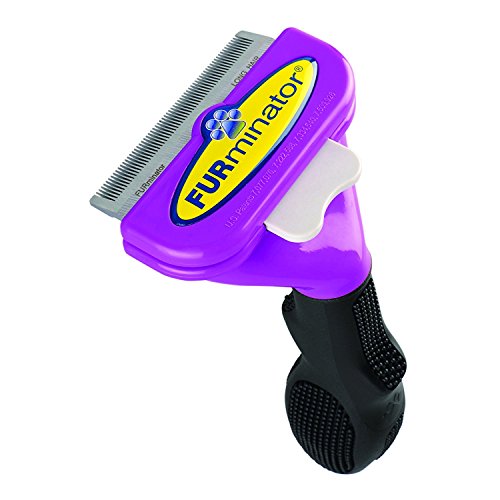
For more about managing fur, see our Maine Coon shedding guide and our article on the Maine Coon haircut.
How Do You Bathe a Maine Coon?
Most Maine Coons need only occasional baths. Use a cat-safe shampoo, keep the water warm, and dry the thick coat thoroughly. Follow the steps in our Maine Coon bathing guide.
A waterless shampoo can help in between.

How Do You Get Mats Out of a Maine Coon’s Fur?
Gently loosen mats with your fingers and a wide-tooth

Does olive oil get mats out of cats? Some owners soften a stubborn mat with a small amount of oil, and olive oil can be a helpful tool to loosen a knot. Others report using tiny amount of Vaseline on Finnegan, or small amounts of baby oil, and baby oil on tough spots.
Be careful, though. Cats lick their fur and swallow what is on it, so always check with your veterinarian or groomer before using any oil or petroleum product, and wipe or wash the area afterward. A professional groomer is the safest choice for severe mats.

How Often Should a Maine Coon See the Vet?
Schedule a checkup at least once a year, and more often for kittens and seniors. Your vet will check weight, teeth, heart, and joints, and recommend vaccines and parasite prevention. Ask about screening for conditions known in the breed.
What Health Problems Are Common in Maine Coons?
The best-known concerns are hypertrophic cardiomyopathy (HCM), hip dysplasia, and spinal muscular atrophy (SMA). UC Davis’ Veterinary Genetics Laboratory describes a specific gene variant linked to a higher risk of HCM in Maine Coons (UC Davis HCM test). The CFA notes that breeders test for hip dysplasia with X-rays and for HCM with DNA tests and echocardiograms.
Obesity, dental disease, and arthritis are also common in large cats. Read about joint care in our guide to arthritis in Maine Coons, and talk with your vet about a screening plan.
How Long Do Maine Coons Live?
Many Maine Coons live into their teens with good care, though lifespan varies. Healthy weight, dental care, vet visits, and screening all help. See our full guide to Maine Coon life expectancy.
What Is the Next Step for Caring for Your Maine Coon?
Pick one habit to start today, such as a brushing routine or a play session. Then explore related guides on Maine Coons and dogs and 10 things to know before bringing home a Maine Coon.
What is your best Maine Coon care tip? Share it in the comments.
Additional Cat Essentials
Save Your Sofa With This Wildly Effective Couch Cat Scratcher
9 Insanely Cute Cardboard Cat Houses Your Cat Will Obsess Over
Best Vertical Wall Cat Scratchers
Save this guide to Pinterest
Choose your favorite design.




