Updated October 1, 2026 by Lisa
Hey there, cat friends! 🐾 If you have ever eaten a carob brownie while your cat sat there judging you, this post is for you.
Carob is often called the “chocolate twin,” but it is a very different snack when it comes to cats. Let’s dig in, without any crumbs on the keyboard.

What’s in this guide?
- Can cats eat carob?
- What is carob, anyway?
- Is carob the same as chocolate?
- Why is chocolate dangerous for cats when carob is not?
- Does carob have any health benefits for cats?
- Can cats even taste how sweet carob is?
- What are the risks of giving carob to cats?
- Are carob chips and carob treats safe for cats?
- How much carob can a cat have?
- What are better treats for cats than carob?
- What should I do if my cat ate chocolate instead of carob?
- So, should you share carob with your cat?
Can cats eat carob?
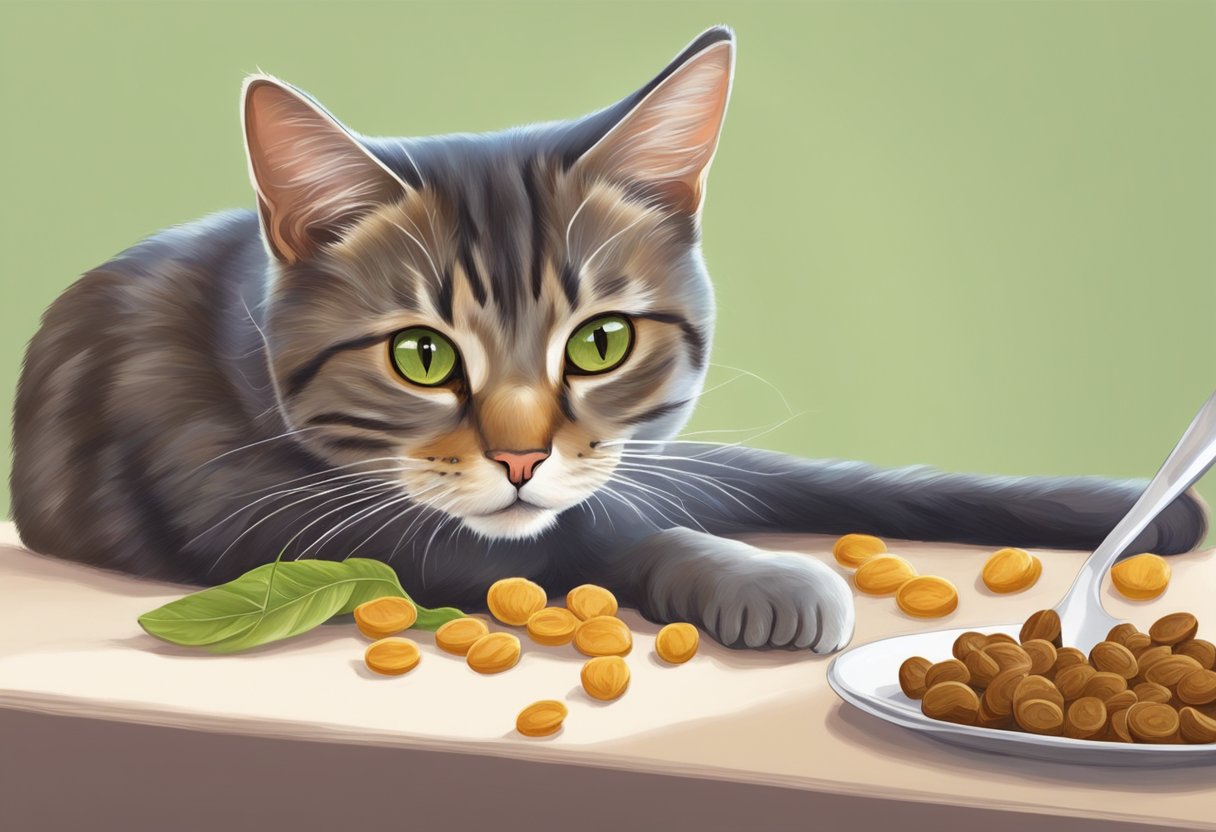
Yes, cats can eat a tiny taste of plain carob, because carob is not toxic to cats. But it is not a healthy or needed treat, so it should be rare and small.
Carob is a good example of a food that is “not dangerous” but also “not useful” for cats. If you want a big list of options, see our guide on what human foods are safe for your feline.
What is carob, anyway?
Carob is a sweet powder made from the dried pods of the carob tree. The tree grows in warm places, like the lands around the Mediterranean Sea.
People roast and grind the pods into powder, then use it in baking, candy, and drinks. It tastes a little like chocolate, with a sweet, earthy, almost caramel flavor.
Is carob the same as chocolate?
No, carob is not chocolate, even though it can look and taste a bit like it. Chocolate comes from cacao beans, while carob comes from the pods of a totally different tree.
The biggest difference is what is inside. Carob has no theobromine and no caffeine, the two chemicals that make chocolate dangerous for pets.
| Feature | Carob | Chocolate |
|---|---|---|
| Comes from | Carob tree pods | Cacao beans |
| Theobromine | None | Yes |
| Caffeine | None | Yes |
| Toxic to cats? | No | Yes |
| Natural sugar | High | Varies; many products have added sugar |
| Good cat treat? | Not really | Never |

Why is chocolate dangerous for cats when carob is not?
Chocolate is dangerous for cats because it contains methylxanthines, mainly theobromine and caffeine. Cats process these chemicals very slowly, so they can build up and harm the heart and nervous system. You can read more in our post on chocolate and cats.
The ASPCA warns that these chemicals can cause vomiting, diarrhea, fast breathing, an abnormal heartbeat, tremors, and seizures. The darker the chocolate, the higher the risk, and baking chocolate and cocoa powder are the worst.
Carob simply does not have these chemicals. That is why carob is used in many dog and pet treats while chocolate never is.
Does carob have any health benefits for cats?
Carob has very few real benefits for cats. It has some fiber, calcium, and plant antioxidants, but a cat’s complete food already covers what it needs.
Cats are obligate carnivores, which means their bodies are built to run on meat. They need nutrients like taurine that come from animal foods, not from sweet plant powders.
So carob is not “bad,” but it is not a superfood for cats either. Think of it as a party balloon: fun to look at, but it will not fill anyone’s belly.
Can cats even taste how sweet carob is?
No, cats cannot taste sweetness the way we do. Scientists found that cats are missing a working sweet-taste receptor, so sugar does not taste exciting to them.
If your cat licks carob, it is probably curious about the smell, texture, or fat in the snack. That also means your cat will not feel left out if you skip the sweet stuff. 😺
What are the risks of giving carob to cats?
The main risks of carob for cats are tummy upset, extra sugar, and unsafe add-ins. Carob itself is not poisonous, but the snacks it comes in often are not cat-friendly.
- Sugar: Carob is naturally very sweet, and cats do not need sugar at all.
- Fiber overload: Too much can cause gas, loose stools, or vomiting.
- Dairy: Many carob treats include milk, and most adult cats do not digest lactose well.
- Hidden ingredients: Some sweets mix carob with chocolate, nuts, raisins, or sugar substitutes.
- Extra calories: Sweet snacks can add up and lead to weight gain.
Are carob chips and carob treats safe for cats?
Carob chips and carob candies are not a good choice for cats. They are usually made with sugar, oils, and milk solids, which can upset your cat’s tummy.
Always read the label before sharing anything. If a “carob” treat also lists chocolate, cocoa, raisins, nuts, or xylitol, keep it away from your cat.
Some carob treats are made for dogs, which can be a different story. Many foods, like carrots, are popular for dogs, but cats have very different needs.
How much carob can a cat have?
A cat should have no more than a lick or a crumb of plain carob, and only once in a while. Vets often say all treats together should be no more than about 10% of a cat’s daily calories.
For many adult cats, that is only about 20 calories of treats a day, though your vet can tell you your own cat’s number. Carob is high in sugar, so it is a poor way to spend those tiny treat calories.

What are better treats for cats than carob?
Better treats for cats are ones made mostly from meat. These treats match what a cat’s body actually needs.
| Treat | Why It Works |
|---|---|
| Plain cooked chicken or turkey | Lean protein cats love |
| Freeze-dried meat or fish treats | Usually one simple ingredient |
| Cooked plain egg | Protein-packed, small bites only |
| Commercial cat treats | Made with cat nutrition in mind |
| Tiny bites of plain cooked veggies | Low calorie, like green beans or asparagus |
If your cat likes a veggie nibble, check out our guide on whether cats can eat asparagus. Always add new foods slowly and watch for tummy trouble.
What should I do if my cat ate chocolate instead of carob?
If your cat ate chocolate, call your vet or a pet poison hotline right away, even if your cat seems fine. Signs can take several hours to show up.
The ASPCA Animal Poison Control Center is at (888) 426-4435, and a fee may apply. Try to tell them what kind of chocolate it was, how much your cat ate, and your cat’s weight.
Watch for vomiting, diarrhea, restlessness, fast breathing, shaking, or a racing heart. Do not try to make your cat vomit at home unless a vet tells you to.
So, should you share carob with your cat?
A tiny taste of plain carob will not hurt most cats, but there is no real reason to share it. Your cat can’t taste the sweetness and does not need the sugar.
Save the carob brownies for yourself and give your kitty a meaty treat instead. Your cat will thank you with a slow blink, which is basically a cat hug. 😻
This article is for general information only and is not veterinary advice. Always check with your veterinarian before adding new foods to your cat’s diet.
🐾 Lisa Illman is the Founder of Kritter Kommunity, LLC! 🏡 She’s got a dapper
As a kid, Lisa shared her home with a Poodle and a chirpy parakeet! 🐩🐦

Save this guide to Pinterest
Choose your favorite design.