Updated by Lisa Illman on November 2, 2026.
No, Oriental and Siamese cats are not truly hypoallergenic, no matter what the kitten ad says. Their sleek coats are easy to live with, but sleek is not the same as sneeze-proof.
The real troublemaker is a tiny protein on dander and saliva, not a dramatic cloud of fur. Here is what the science actually says and what helps if you are allergic and smitten anyway.
Are Oriental Siamese cats truly hypoallergenic?
No, Oriental and Siamese cats are not truly hypoallergenic, because all cats produce allergens. No natural cat breed has been proven safe for every person with a cat allergy.
The American Academy of Allergy, Asthma & Immunology says there are no truly hypoallergenic cat or dog breeds. A scientific review of hypoallergenic animals reached the same conclusion for cats.
What allergen causes most cat allergies?
Fel d 1 is the main cat allergen for most allergic people. It comes from skin glands and saliva, and grooming spreads it onto the coat.
Dried particles float in the air and settle on furniture, clothing, and even homes with no cat. That is why “I only petted it for a minute” can still mean an itchy evening.
Does a short coat make an Oriental less allergenic?
No, a short coat changes your vacuuming, not your immune system. The allergen comes from the cat itself, not from how long its hair is.
Short fur may mean fewer visible hairballs on the rug, which is nice. It is still carrying the same protein that makes you sneeze.

Do Siamese cats produce less Fel d 1?
There is not enough reliable evidence to say Siamese or Oriental cats consistently produce less Fel d 1. Allergen output varies widely from cat to cat, even within one breed.
You might tolerate one Siamese and react badly to its littermate. That is why a breeder’s promise should never replace an allergist and a real-life trial.
How do common allergy claims compare with the facts?
Most common claims about “allergy-friendly” cats fall apart under a little scrutiny. This table separates the marketing from what allergy specialists say.
| Common claim | What the evidence says | What to do instead |
|---|---|---|
| Short hair means hypoallergenic | Hair length does not remove cat allergens | Expect allergen exposure |
| Less shedding means no reaction | Saliva and dander carry the allergen | Treat shedding as one factor only |
| One good visit proves it is safe | Symptoms depend on dose and time | Visit more than once and test with an allergist |
| Bathing fixes the problem | Any reduction is brief | Do not rely on baths alone |
| An air purifier cures cat allergy | HEPA can reduce airborne particles | Use several controls together |
What symptoms can a cat allergy cause?
Cat allergies can cause sneezing, a runny or stuffy nose, itchy watery eyes, coughing, wheezing, hives, or itchy skin. Symptoms can start within minutes or build over days.
Trouble breathing, severe wheezing, or swelling of the face or throat needs emergency care. For ongoing symptoms, an allergist can confirm the trigger and suggest treatment.
How can I test my reaction before adopting?
Meet the specific cat more than once, in its own home, and talk to a board-certified allergist about testing. A quick visit rarely matches living with a cat 24 hours a day.
Do not load up on allergy medicine just to “pass” the visit unless your doctor suggests it. My guide to Siamese breed characteristics covers the non-allergy side of the decision.
What home changes help reduce cat allergens?
Keep the cat out of the bedroom, run a HEPA air purifier, and vacuum with a HEPA filter. Washing bedding weekly and damp-dusting surfaces helps too.
The American College of Allergy, Asthma & Immunology notes that shutting a cat in one room does not keep allergens there. A pet hair remover helps with visible fur, but invisible allergens need more than a lint roller.
Should I bathe or groom my Siamese to reduce allergens?
Do not rely on bathing as your main allergy plan, because any reduction is short-lived and baths stress many cats. Ask your vet and allergist before starting a routine.
If someone non-allergic can brush the cat in a ventilated spot, that helps a little. See how often to bathe a Siamese cat and, for the cat’s own itchy skin, allergies in Siamese cats.
Can allergy medicine let me keep a cat?
Allergy medicine helps some people live comfortably with a cat, but the right plan depends on your symptoms and health. An allergist may discuss antihistamines, nasal sprays, asthma treatment, or allergy shots.
Do not start or combine medicines based on a pet blog, including this one. Kids and people with asthma especially need a doctor-guided plan.
So, are Oriental Siamese cats hypoallergenic?
No, Oriental and Siamese cats are not hypoallergenic, even if their short coats are easier to clean up after. All cats make allergens, and every person reacts differently.
Meet the cat, involve an allergist, and use several allergen controls instead of trusting a breed label. If it works out, read about Oriental Siamese adventures and my broader guide to Siamese cats.
This article is general information and is not medical or veterinary advice. See an allergist about your symptoms and a veterinarian about your cat.
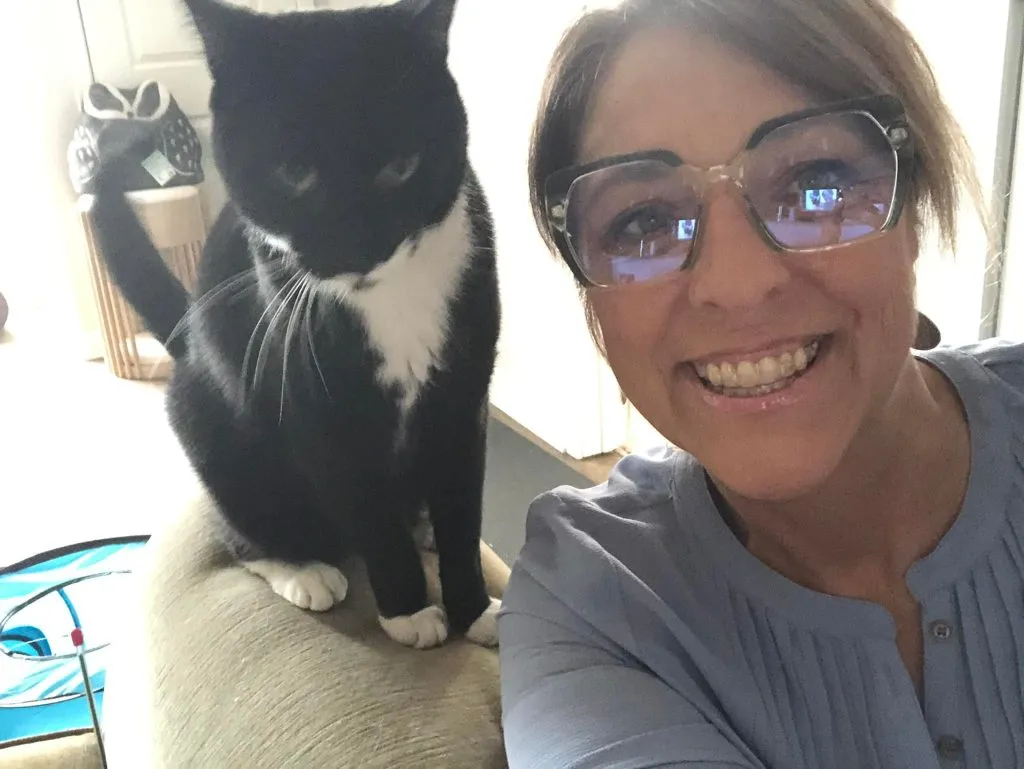
🐾 Lisa Illman is the Founder of Kritter Kommunity, LLC! 🏡 She’s got a dapper
As a kid, Lisa shared her home with a Poodle and a chirpy parakeet! 🐩🐦


Save this guide to Pinterest
Choose your favorite design.